
Valve Block Machining in Precision Manufacturing
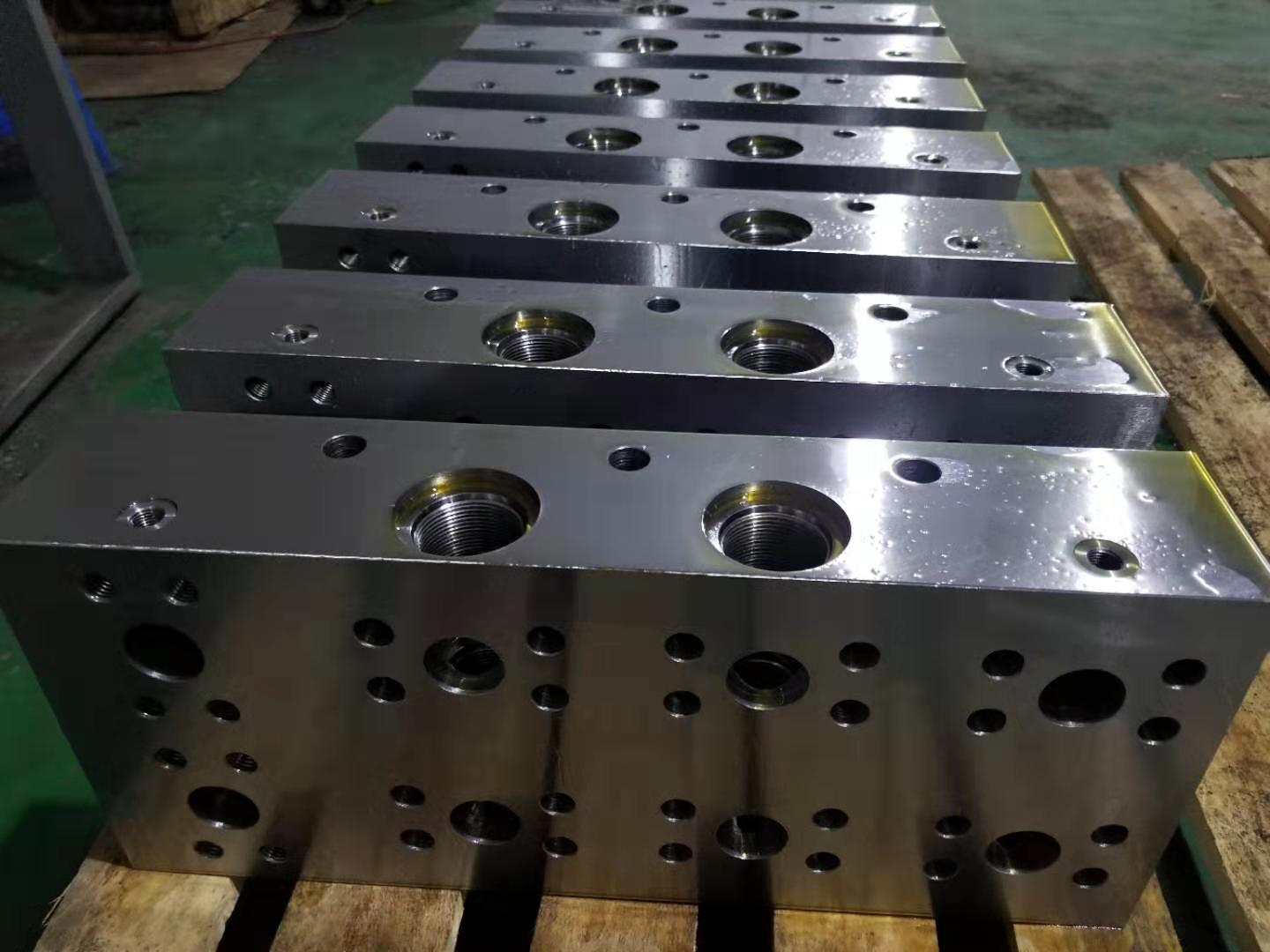
Valve block machining is a critical process in hydraulic and pneumatic systems, playing a vital role in controlling fluid flow, pressure, and direction. Valve blocks, also known as hydraulic manifolds, integrate multiple valves and channels into a single compact component, improving system efficiency, reliability, and space utilization.
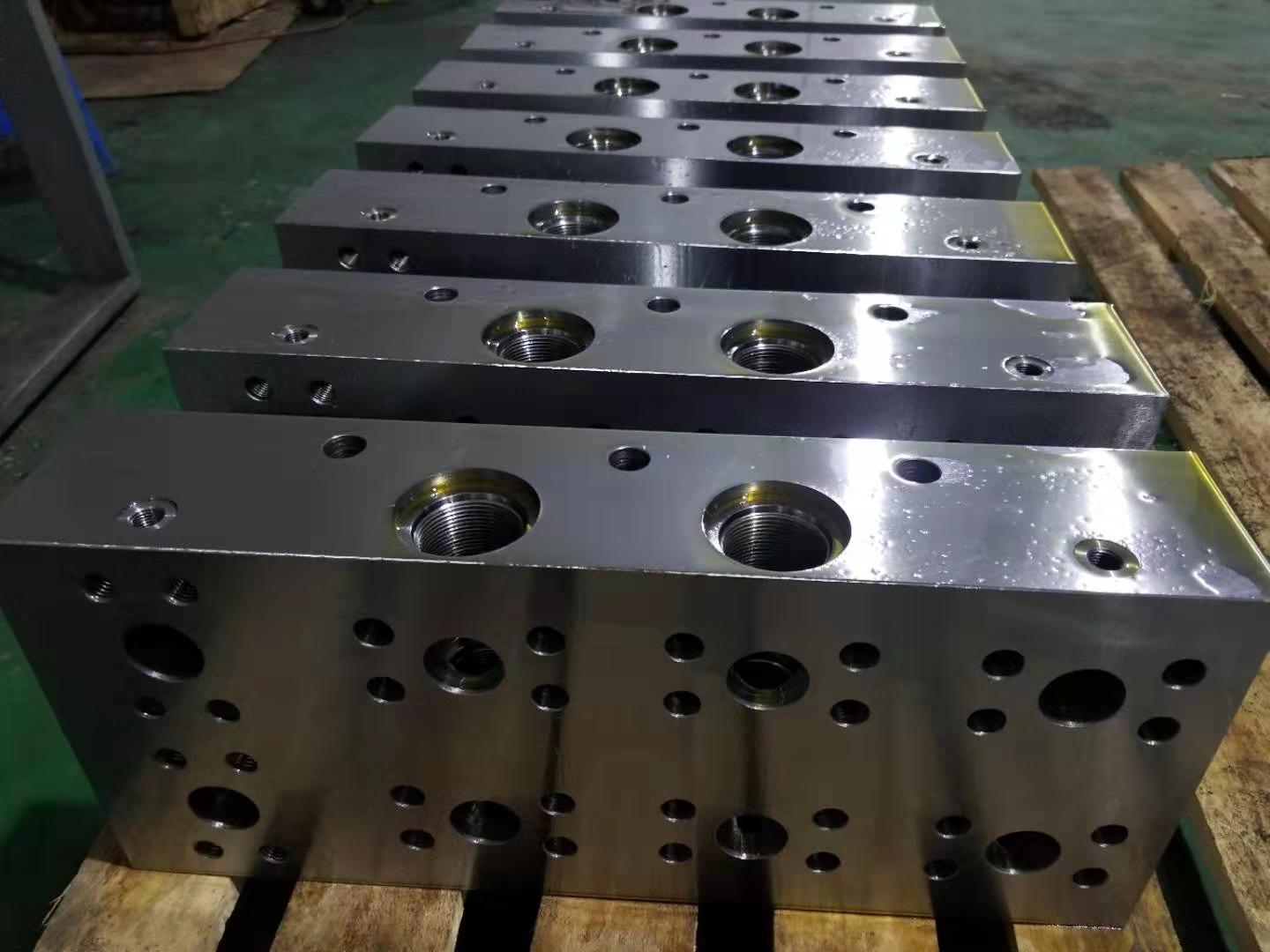
The machining of valve blocks requires high precision and strict process control. Internal flow channels, intersecting holes, threaded ports, and sealing surfaces must be manufactured with accurate dimensions and smooth surface finishes to ensure proper fluid flow and leak-free performance. Even small machining errors can lead to pressure loss, internal leakage, or system failure.
CNC machining is widely used in valve block manufacturing due to its high accuracy and repeatability. CNC milling and drilling machines are capable of producing complex internal passages and multi-directional holes according to precise design specifications. Advanced CAM software helps optimize tool paths, reduce machining time, and ensure consistency across production batches.
Material selection is an important factor in valve block machining. Common materials include aluminum alloys, carbon steel, alloy steel, and stainless steel. Aluminum valve blocks are lightweight and corrosion-resistant, making them suitable for mobile equipment, while steel valve blocks offer higher strength and durability for high-pressure industrial applications.
Surface finish and cleanliness are especially critical in valve block machining. Burr removal, deburring of cross holes, and thorough cleaning processes are essential to prevent contamination that could damage valves or seals. In many cases, surface treatments such as anodizing, phosphating, or plating are applied to enhance corrosion resistance and extend service life.
Quality inspection is an integral part of the valve block machining process. Coordinate measuring machines (CMM), pressure testing, and visual inspections are used to verify dimensional accuracy, sealing performance, and structural integrity. Strict quality control ensures that each valve block meets customer requirements and international standards.
In conclusion, valve block machining is a highly specialized manufacturing process that combines precision engineering, advanced CNC technology, and rigorous quality control. High-quality valve blocks contribute directly to the performance, safety, and reliability of hydraulic and pneumatic systems across a wide range of industrial applications.