
Computer Numerical Control (CNC) Technology
Computer Numerical Control (CNC) is a core technology in modern manufacturing that enables automated control of machine tools through programmed instructions. By replacing manual operation with computer-based control, CNC technology significantly improves machining accuracy, efficiency, and consistency, making it indispensable in precision manufacturing.
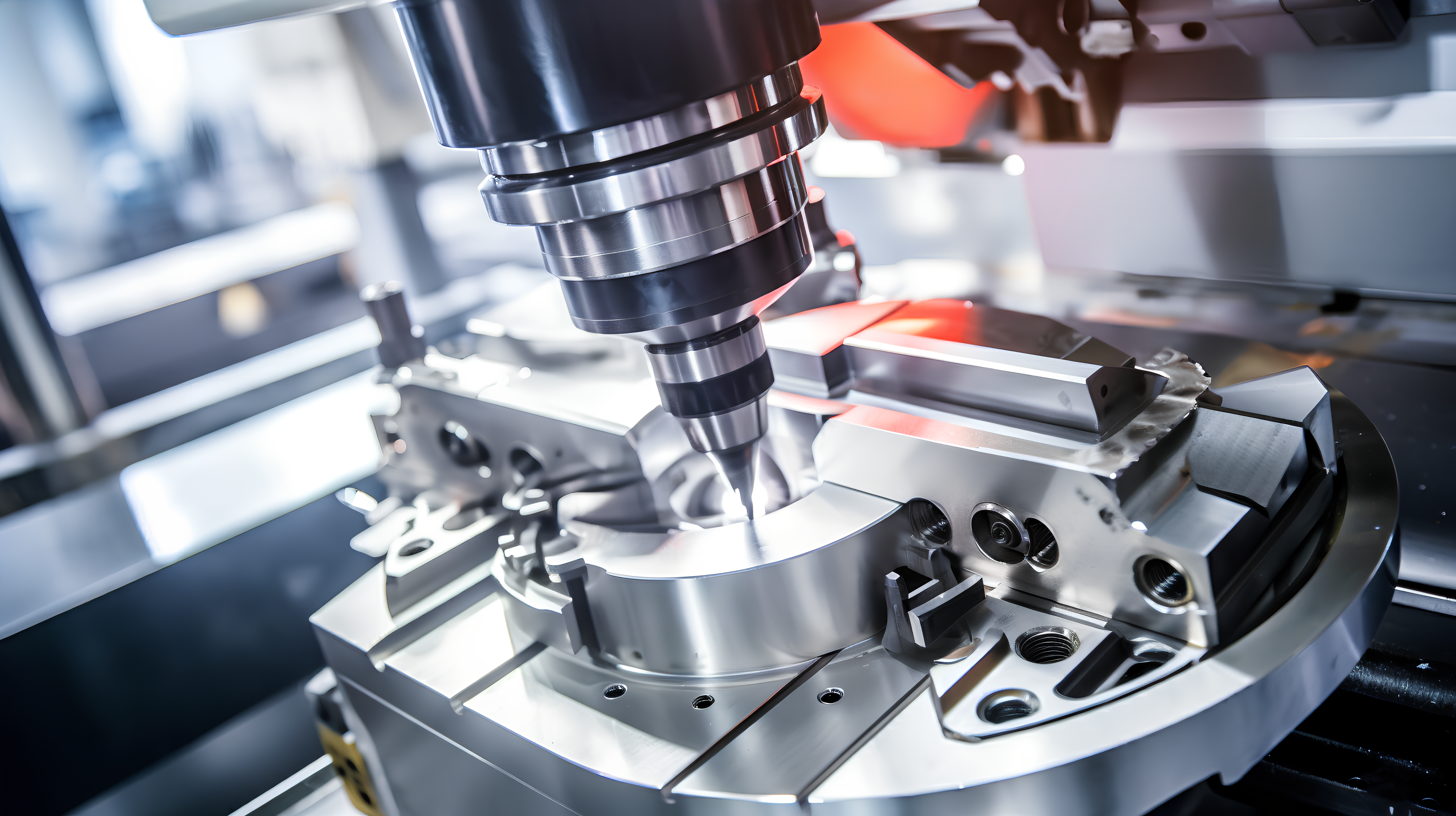
CNC machines operate by interpreting numerical codes, commonly known as G-codes and M-codes, which define tool paths, cutting speeds, feed rates, and auxiliary functions. These codes are generated using CAD/CAM software, allowing complex geometries to be designed and manufactured with high precision. Once a program is verified, CNC machines can repeatedly produce identical parts with minimal human intervention.
One of the main advantages of CNC machining is its high precision and repeatability. CNC machines are capable of achieving tolerances within micrometers, which is essential for industries such as aerospace, automotive, medical devices, and electronics. Additionally, CNC systems reduce human error and improve production stability, especially in large-scale manufacturing.
CNC technology supports a wide range of machining processes, including milling, turning, drilling, grinding, and multi-axis machining. Advanced CNC machining centers, such as 5-axis machines, can complete complex parts in a single setup, reducing setup time and improving machining efficiency and surface quality.
Another important aspect of CNC machining is flexibility. By simply modifying the machining program, the same CNC machine can produce different parts, making it suitable for both mass production and small-batch, high-mix manufacturing. This flexibility helps manufacturers respond quickly to changing market demands.
In recent years, CNC technology has been increasingly integrated with automation, robotics, and intelligent manufacturing systems. Features such as automatic tool changers, real-time monitoring, and adaptive control have further enhanced productivity and process reliability.
In conclusion, CNC technology is a key driver of modern manufacturing development. As digitalization and intelligent manufacturing continue to advance, CNC systems will play an even more critical role in achieving high-precision, high-efficiency, and high-quality production.